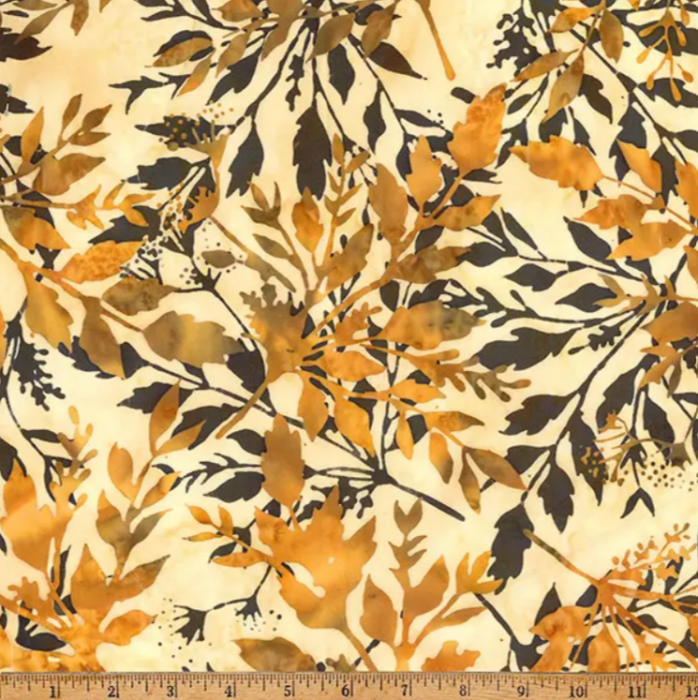
When shopping for quilting fabrics, you’ll find countless colors, patterns, and textures to choose from. However, few options offer the same distinctive appearance as batik fabrics. Known for their rich colors, intricate designs, and unique dyeing techniques, batiks have become a favorite among quilters looking to add personality to their projects. Whether you’re making your first quilt or have years of sewing experience, understanding what makes batik fabric different can help you decide how to incorporate it into your next creation.
What Is Batik Fabric?
Batik is a type of fabric traditionally created using a wax-resist dyeing process. Rather than printing a design directly onto the surface, artisans apply wax to specific areas of the fabric to prevent dye from penetrating those sections. The fabric is then dyed, and the wax is removed to reveal the pattern. This process can be repeated with different colors and wax applications to create detailed, layered designs. Batik has a long history, particularly in Indonesia, where the traditional art form holds significant cultural importance.
Today, batik fabrics are available in many colors and patterns, ranging from traditional floral and geometric designs to modern abstract prints. While some are still made using traditional hand-applied techniques, others are produced through more streamlined manufacturing methods.
Most batik fabrics used for quilting are made from cotton, making them suitable for a variety of sewing and quilting projects.
Tips for Working With Batik Fabrics
If you’re planning to use batik fabric for your next quilting project, a few simple techniques can help you get the best results. First, consider prewashing your fabric, especially when working with deeply saturated colors. Like other dyed cotton fabrics, some batiks may release excess dye during washing. Testing for color bleeding and following the manufacturer’s care recommendations can help protect your finished quilt.
Next, use a fresh, sharp sewing machine needle for tightly woven batik cotton because its sharp point can penetrate the fabric cleanly. It’s also worth checking your seam allowances carefully. Consistent quarter-inch seams are important for accurate quilt blocks, especially when working with detailed patterns.
Finally, pay attention to how colors and patterns interact. Because batiks often contain multiple shades, laying out your fabric pieces before sewing can help you achieve a balanced design.
Find Batik Fabrics for Your Next Quilting Project
Batik fabrics offer a beautiful combination of color, pattern, and versatility that makes them an excellent option for quilting. Whether you’re creating a traditional patchwork quilt, experimenting with modern designs, or adding a colorful accent to a smaller sewing project, batiks provide plenty of creative possibilities.
If you need help finding the right fabric for your next project, reach out to us today.
Leave a Reply